Beauty Trends 2026–2030: What New Brands Should Focus On ?
The Rise of Ayurvedic & Botanical Blends (2025–2030) | Barrier Repair Will Become a Core Skincare Category | Fragrance-Free & Essential-Oil-Free Formulations | Kids Care & Teen Skincare Will Become a Large Market | Scalp Health & Hair Wellness Revolution | Waterless & Concentrated BeautyThe beauty industry is quietly stepping into a new era, one where consumers want science without complexity, tradition without heaviness, and results without irritation. From our seat as manufacturers, we watch hundreds of founders arrive with brilliant ideas, yet slightly confused about where the market is truly heading. What customers want in 2025–2030 is not just new products; they want smarter products, gentle, functional, Ayurvedic-backed, fragrance-free, and aligned with deeper wellness.
Beauty trends 2026–2030 clearly indicate a shift toward clean beauty, private label skincare manufacturing, and science-backed natural formulations that combine performance with safety.
Across global markets, from India to Europe to the United States—brands that prioritize barrier repair, herbal blends, gentle formulations for kids, and sustainability are becoming category leaders. And as manufacturers, we see clear patterns in what sells fast, what builds loyal customers, and what the future of skincare and haircare genuinely looks like.
Global demand for private label skincare manufacturers in India is rising as brands seek cost-effective, certified, and scalable production partners aligned with these trends.
The Rise of Ayurvedic & Botanical Blends (2025–2030)
Ayurveda is not a trend anymore—it is becoming the backbone of modern skincare and wellness. Customers worldwide are shifting toward ingredients they recognize, trust, and understand. As an Ayurvedic Skincare Manufacturer, we see the demand for plant-based formulations increasing every month. Brands from the US, UK, Europe, and Middle East are requesting blends with manjistha, ashwagandha, bhringraj, mulethi, tulsi, vetiver, and rose. These herbs are rich in antioxidants, safe for all skin types, and create “slow beauty” products that nourish long-term. The future belongs to hybrid formulations that combine ancient herbs with modern actives like niacinamide, peptides, and ceramides for results that are both gentle and effective.
Ayurvedic private label skincare manufacturing is becoming a global opportunity for brands targeting clean beauty and herbal skincare segments.
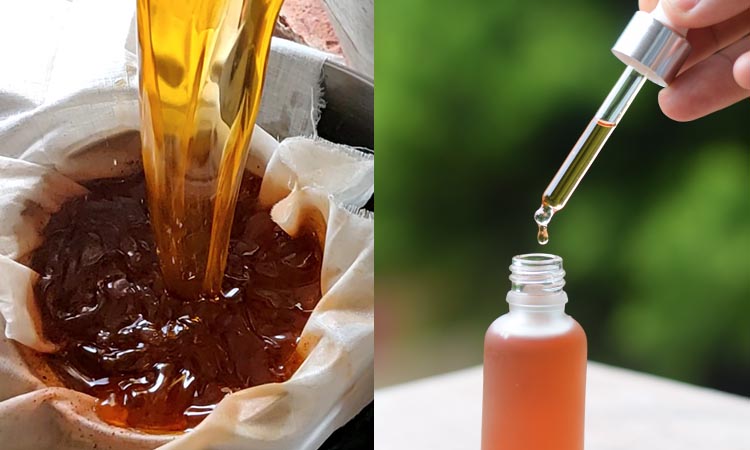
- Herbal extracts, cold-pressed oils, hydrosols, and powders will dominate global formulations.
- Ayurveda blends perfectly with clean beauty, making it easy for brands to achieve transparency and trust.
- Hybrid Ayurveda + Clinical formulations are becoming the next big product category.
Barrier Repair Will Become a Core Skincare Category
Modern lifestyles have damaged consumer skin more than ever, over-exfoliation, pollution, sun exposure, and skincare layering have weakened skin barriers globally. From 2025–2030, the most powerful skincare trend will be skin barrier repair, driven by ceramides, peptides, fatty acids, probiotics, and gentle oils. As manufacturers, we are receiving more requests for lipid-rich moisturizers, recovery serums, healing creams, and calming gels. Customers want formulations that strengthen the barrier before treating concerns like pigmentation or acne.
Barrier repair skincare products are now a core focus in custom skincare formulation services and private label product development.
This shift marks the decline of harsh acids and overly active formulas, and the rise of skin-friendly blends that restore moisture, balance, and resilience.
- Barrier-first products will outsell treatment-first products.
- Ceramide creams, peptide serums, and microbiome-friendly cleansers will dominate.
- Sensitive skin will become a primary target audience globally.
Fragrance-Free & Essential-Oil-Free Formulations
The world is becoming more sensitive, literally. Dermatologists globally are suggesting fragrance-free products due to increased irritation and allergies. The trend is especially strong in the US and European markets, influencing India’s next product wave. As a manufacturer, we see increasing demand for Fragrance-Free Skincare across face care, baby care, intimate hygiene, and sensitive skin lines.
Fragrance-free skincare manufacturing is becoming a top SEO and product development category for brands targeting sensitive skin consumers.
Even essential oils, once popular, are being used in smaller concentrations or removed entirely in formulas meant for rosacea-prone, barrier-damaged, or baby skin. Brands that offer fragrance-free options will gain long-term trust and dermatologist approval.
- Ideal for baby, kids, and sensitive skin categories.
- Global compliance bodies prefer low-allergen formulations.
- Dermatologist-backed fragrance-free branding builds instant credibility.
Kids Care & Teen Skincare Will Become a Large Market
There is a massive shift toward gentle kids care products, shampoo, body wash, multi-purpose balms, moisturizers, and scalp treatments, because parents now understand the importance of early skin health. As a Kids Skincare Manufacturer, we are witnessing exponential growth in fragrance-free, sulfate-free, tear-free, and hypoallergenic formulas.
Private label kids skincare manufacturing and teen skincare product development are emerging as high-growth niches in the beauty industry.
Teen skincare, especially for mild acne, blackheads, and barrier repair, is becoming one of the fastest-growing categories globally. Brands that introduce clean formulations for children and teens will stand out between 2025–2030.
- Parents prefer safe preservatives, sulfate-free cleansers, and fragrance-free lotions.
- Teen-friendly, non-comedogenic products will grow rapidly.
- Simple, gentle kits for children will dominate e-commerce.
Scalp Health & Hair Wellness Revolution
Haircare is no longer just about shine, it is about scalp microbiome balance, hair fall reduction, follicle nourishment, and barrier repair. Consumers want natural botanical oils, peptides, ceramides, rosemary extract, bhringraj, brahmi, and niacinamide in haircare. As manufacturers, we see huge growth in scalp serums, pre-wash oils, hair tonics, and lightweight conditioners.
Scalp care products and herbal haircare manufacturing are becoming essential categories in private label haircare product lines
Silicone-free, gentle, plant-powered formulas will define the future of haircare.
- Scalp serums and tonics are becoming mainstream.
- Herbal oils like rosemary, bhringraj, and amla will dominate hair fall products.
- Silicone-free conditioners and leave-ins will increase in demand.
Waterless & Concentrated Beauty
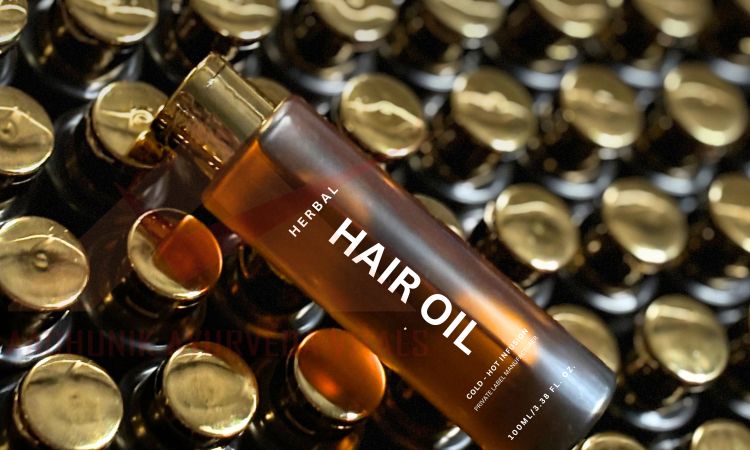
One of the most sustainable and future-forward trends is waterless beauty. Products like powder cleansers, concentrated serums, cold-pressed oils, solid balms, and anhydrous masks use less water, less packaging, and are long-lasting. Manufacturers prefer these formulations because they are stable, preservative-light, and travel-friendly.
Waterless skincare products and concentrated formulations are gaining popularity due to sustainability and cost-efficiency in skincare manufacturing.
This trend will expand significantly between 2025 and 2030 as climate-conscious consumers look for low-waste, high-impact alternatives.
- Lower carbon footprint + reduced need for preservatives.
- Travel-friendly and leakage-proof formats.
- Long shelf-life and stable formulation structure.

Microbiome-Friendly Formulations Will Dominate
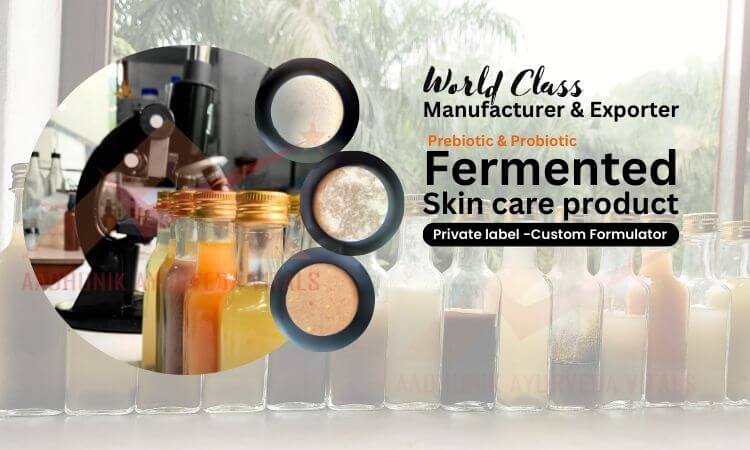
The future of skincare revolves around respecting the skin microbiome—the community of healthy bacteria that protects the skin. Harsh soaps, SLS/SLES shampoos, and aggressive cleansers disrupt this balance. From 2025 onward, brands will focus on prebiotics, postbiotics, gentle amino-acid surfactants, and pH-balanced formulations that protect microbial diversity.
Microbiome skincare products are a rapidly growing segment in custom skincare formulation and dermatology-backed product development.
The future of skincare revolves around respecting the skin microbiome—the community of healthy bacteria that protects the skin. Harsh soaps, SLS/SLES shampoos, and aggressive cleansers disrupt this balance. From 2025 onward, brands will focus on prebiotics, postbiotics, gentle amino-acid surfactants, and pH-balanced formulations that protect microbial diversity.
Microbiome-safe skincare supports barrier repair, reduces acne, and improves skin smoothness naturally.
- Formulas avoiding stripping agents like harsh sulfates.
- Gentle cleansers made using glucosides and amino-acid surfactants.
- Perfect for sensitive, acne-prone, and baby skin.
Clean Beauty Will Evolve Into Clinical + Clean Beauty
“Clean beauty” used to mean avoiding harmful ingredients—but customers now want clean beauty with proven clinical results. The new trend is “Clean + Clinical Beauty,” which includes niacinamide, vitamins, ceramides, peptides, hyaluronic acid, and phytoextracts blended with botanical ingredients.
Clean beauty manufacturing combined with clinical skincare formulation is becoming a key positioning strategy for modern skincare brands.
This hybrid approach creates products that are gentle enough for everyday use but strong enough to show visible improvements.
- Customers want plant-based formulas backed by science.
- Brands are moving toward transparent ingredient lists.
- Avoiding parabens, mineral oil, alcohols, and heavy silicones.

Personalised Skincare Will Rise Strongly
Personalization is becoming the next frontier in beauty. Customers want products designed for their specific skin type, age, climate, and concern. Manufacturers are planning modular formulations where base creams, oils, or serums can be customized with active boosters.
Personalized skincare solutions and custom formulation services are becoming key differentiators for new skincare brands.
Technology such as AI-skin tests, quizzes, and diagnostic tools will help brands build highly curated product recommendations.
- Customized oil blends and active boosters.
- Micro-batch production for niche audiences.
- Enhanced customer loyalty for personalized brands.
Sustainable Packaging & Low-Waste Beauty
Sustainability is no longer optional, it is a consumer expectation. Brands must choose recyclable packaging like PET, HDPE, aluminum, glass, and biodegradable labels. Refill packs, minimalistic designs, and low-ink printing systems will dominate shelves from 2025–2030.
Sustainable skincare packaging and eco-friendly cosmetic manufacturing are now essential for brand positioning and global compliance.
As manufacturers, we see more brands requesting eco-friendly containers and low-waste packaging options.
- Shift toward refillable designs for lotions and oils.
- Resin codes help customers recycle correctly.
- Eco-friendly inks, labels, and shipping boxes.
Plant-Based Preservatives & Milder Systems
Consumers, dermatologists, and global compliance systems now prefer mild preservatives, especially in baby care, kids care, and barrier-repair skincare. Natural, ECOCERT-approved preservatives and gentle systems like sodium benzoate, potassium sorbate, and bio-based blends are rising in demand.
Natural preservatives in skincare and clean-label formulations are gaining importance in global cosmetic manufacturing.
Brands must choose safe, globally acceptable preservatives to avoid irritation and ensure long-term stability.
- Perfect for sensitive or compromised skin.
- Helps brands achieve clean-label positioning.
- Globally compliant for export markets.
Ayurvedic Wellness Crosses Into Beauty Nutrition
Between 2025–2030, the line between skincare and wellness will blur. Consumers are shifting toward beauty-from-within solutions using herbs, oils, and adaptogens. Demand is rising for edible oils, herbal shots, gummies, and tonics that support skin and hair health from the inside out.
Ayurvedic wellness products and ingestible beauty supplements are emerging as a strong category alongside topical skincare products.
Manufacturers are now integrating edible-grade cold-pressed oils, Ayurvedic powders, and herbal extracts into beauty wellness routines.
- Oral beauty supplements will grow rapidly.
- Edible cold-pressed oils like blackseed, sesame, flax gaining popularity.
- Holistic beauty + wellness becoming the new norm.
What Manufacturers Expect New Brands to Focus On (2025–2030)
If you’re launching a new brand in this decade, you must build products that are gentle, transparent, effective, and future-forward. Manufacturers expect founders to focus on authentic sourcing, science-backed formulas, and simple yet powerful ingredient lists. Customers do not want heavy routines—they want fewer products that deliver more benefits.
Choosing the best skincare manufacturer for startups ensures faster product development, compliance, and market success.
This era belongs to brands that prioritize safety, sustainability, and sensory comfort over aggressive claims.
- Authentic ingredient sourcing with full traceability.
- Certifications: GMP, ISO, cruelty-free, organic, FDA.
- Focus on long-term stability and compatibility testing.
Conclusion
The next five years will reshape the beauty industry into a gentler, more scientific, Ayurvedic-influenced, and fragrance-free space. Customers want safety, simplicity, and long-term results—without irritation or complexity. Brands that focus on barrier repair, Ayurvedic blends, kids care, scalp wellness, and sustainability will lead the market from 2025–2030. With the right manufacturing partner and thoughtful product development, new brands can thrive in this fresh, consumer-conscious beauty era.
Partnering with a private label skincare manufacturer in India allows brands to scale efficiently while maintaining quality, innovation, and compliance.
FAQs:
What is the biggest beauty trend for 2025–2030?
The biggest trend is barrier repair clean skincare combined with Ayurvedic and botanical plant-based formulations backed by efficacy testing in vivo and in vitro.
Are fragrance-free products necessary?
Yes, because more customers have sensitive skin, and dermatologists prefer recommending fragrance-free formulations. Fragrance free will dominate the clean beauty market.
Will Ayurveda dominate global skincare?
Absolutely. Ayurveda offers safe, result-driven ingredients that align perfectly with global clean beauty trends.
What category should new brands focus on?
Kids care, fragrance-free skincare, barrier repair, and scalp wellness are the fastest-growing categories.
Which preservatives are trending for future formulas?
Mild, ECOCERT-approved preservatives like sodium benzoate, potassium sorbate, and bio-based blends.
How can manufacturers help?
Manufacturers guide brands with formulations, packaging choices, ingredient sourcing, stability testing, and full product development aligned with market trends.
What is private label skincare manufacturing?
It is a process where a manufacturer develops skincare products that brands can sell under their own name with customized packaging, helping startups launch faster and cost-effectively.
Why is clean beauty manufacturing important for future brands?
Clean beauty manufacturing ensures safe, non-toxic, and transparent formulations that align with consumer demand for sustainable and skin-friendly products.