10 Biggest Packaging Mistakes New Beauty Brands Make
Choosing the Wrong Packaging Material (Glass vs Plastic) | Using Low-Quality Caps, Pumps & Droppers That Leak | Ignoring the Importance of Light Protection (Amber vs Clear) | Choosing Fancy Shapes That Are Hard to Fill or Ship | Using Illegible Fonts & Poor Label Design | Not Listing Ingredients in the Correct Order (Legal Non-Compliance)In the beauty industry, packaging is not an accessory, it is the structural backbone that protects a formulation, preserves product stability, ensures regulatory compliance, and reflects the brand’s identity with its very first visual impression. This is why choosing the right cosmetic packaging solutions is critical for brands working with a private label skincare manufacturer or contract manufacturing partner. As manufacturers, we have watched hundreds of start-up brands enter the market with innovative ideas but struggle because of flaws not in their formulation, but in their packaging decisions. Inadequate packaging is one of the fastest ways a promising product can fail, not because the product lacks quality, but because the container fails to support it.
The challenges are almost always the same: wrong choice of glass or plastic, incorrect closures that lead to leakage, labels that fade, droppers that malfunction with oils, or even fonts that consumers cannot read. These are common skincare packaging mistakes that directly impact product stability, customer experience, and brand reputation. The cost of correcting packaging mistakes is far greater than choosing the right packaging from the beginning. That is why manufacturers follow strict evaluation processes before finalising any jar, bottle, cap, dropper, tube, or dispenser.
Choosing the Wrong Packaging Material (Glass vs Plastic)
Many new brands select packaging based only on aesthetics without understanding product compatibility. A beautiful jar or sleek bottle is useless if it reacts with essential oils, causes oxidation, or weakens over time. Selecting the right cosmetic packaging material such as glass, PET, or HDPE is essential for maintaining formulation stability and shelf life. As manufacturers, we repeatedly see issues where active ingredients degrade faster simply because the packaging was not chemically stable. The right material protects the formula, maintains pH, and ensures shelf stability. When selecting between glass, PET, HDPE, or aluminum, always evaluate the viscosity of your product, sensitivity to light, and long-term storage conditions.
- Choose packaging based on product chemistry, not just looks.
- Test for compatibility with essential oils, acids, and hydrosols.
- Avoid cheap plastics that warp, cloud, or react with formulas.
Using Low-Quality Caps, Pumps & Droppers That Leak
One of the most common complaints new brands receive is leaking pumps and droppers. This happens due to poor threading, weak sealing, incompatible plastic, or low-quality pump springs. High-quality cosmetic packaging components like pumps and droppers are crucial for preventing leakage and ensuring customer satisfaction. As manufacturers, we always advise stress testing because transportation friction shifts caps, loosens droppers, and causes leakage.

A leaking product damages the customer experience instantly and also leads to returns and negative reviews.
- Always conduct drop tests and pressure-leak tests.
- Prefer high-quality droppers with strong rubber bulbs.
- Ensure airtight locking systems for facial oils and serums.
Ignoring the Importance of Light Protection (Amber vs Clear)
Many botanical formulations oxidize quickly when exposed to sunlight. Yet, new brands often choose clear bottles because they “look premium.” This mistake ruins product stability. Using UV-protected cosmetic packaging such as amber or frosted bottles is essential for preserving natural skincare formulations. Amber, blue, or matte UV-coated bottles protect ingredients like vitamin C, cold-pressed oils, hydrosols, and plant extracts. From a manufacturer’s perspective, nothing impacts shelf life more quickly than UV exposure, especially in natural and preservative-free formulations.
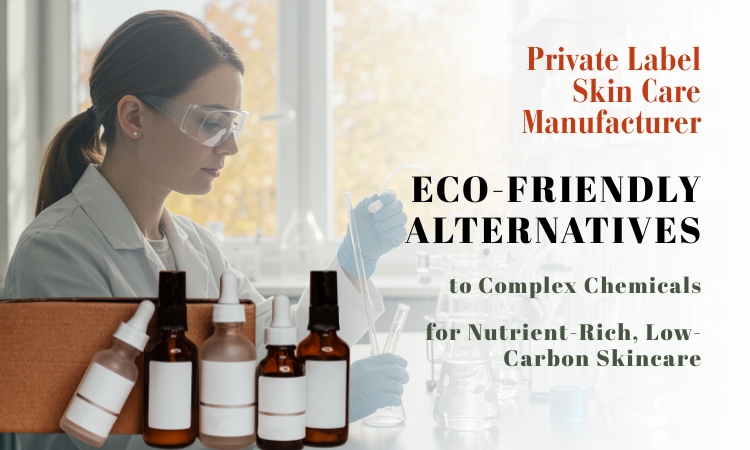
- Use amber bottles for cold-pressed oils and essential oils.
- Clear packaging is suitable only for stable formulations.
- UV-protective coatings add value for sensitive ingredients.
Choosing Fancy Shapes That Are Hard to Fill or Ship
While unique bottle shapes look attractive, they cause major operational challenges during manufacturing. Odd shapes don’t sit properly on filling machines, increasing wastage and spillage. They also break easily during shipping and are difficult to label because of curved surfaces. Practical and functional cosmetic packaging design ensures efficient filling, reduced wastage, and smooth logistics in skincare manufacturing. As a manufacturer, we recommend starting with classic, stable shapes that support speed, efficiency, and accuracy in filling lines.

Points:
- Avoid overly tapered or asymmetrical bottles in the beginning.
- Ensure your packaging fits easily into standard filling equipment.
- Choose shapes that provide smooth label application.
Using Illegible Fonts & Poor Label Design
New brands often prioritize aesthetics over readability. Fonts that are too thin, too small, or too stylish make the product hard to read—especially the ingredients list and usage instructions. Proper cosmetic labeling design and readability are essential for compliance and consumer trust in skincare products. From a compliance perspective, this leads to legal issues and customer distrust. Labels must be clean, readable, professional, and printed with high contrast to survive rubbing, water exposure, and oil contact.
- Use simple, high-contrast fonts for easy readability.
- Ensure mandatory information stands out.
- Avoid overcrowding your label with unnecessary text.
Not Listing Ingredients in the Correct Order (Legal Non-Compliance)
Many new brands do not follow INCI guidelines or the rule of listing ingredients in descending order of concentration. Following INCI labeling standards is essential for global cosmetic compliance and transparent skincare manufacturing. This can lead to regulatory rejection, customer complaints, and even penalties. Manufacturers strictly follow standard INCI naming because it ensures transparency and global acceptance. Incorrect ingredient lists also reduce customer trust.

- Always follow INCI names, not common market names.
- List ingredients from highest to lowest percentage.
- Add allergens separately if the formula requires them.
Not Adding Batch Number, PAO & Manufacturing Details
Most beginners do not know that packaging must legally include batch number, MRP, PAO symbol, manufacturing date, shelf life, and manufacturer details.These are mandatory cosmetic labeling requirements for skincare brands selling in regulated markets. Missing these elements makes your product non-compliant and legally unsafe to sell. As manufacturers, we ensure every label follows regulatory norms to protect both the brand and the customer.

- Batch number ensures traceability and safety.
- PAO symbol shows how long the product is safe after opening.
- Manufacturer details build transparency and trust.
Wrong Choice Between Jar, Pump, Dropper & Tube
Packaging must match product viscosity. Creams in droppers, gels in jars, powders in pumps, all these are common mistakes. Choosing the correct cosmetic packaging format improves usability, hygiene, and product performance. As manufacturers, we see that incorrect dispensing leads to contamination, wastage, and poor customer experience. Packaging must deliver product smoothly and hygienically.
- Use droppers for thin, liquid serums.
- Pumps for lotions and gels.
- Jars only for thick butters and balms.
Overlooking Sustainability & Recyclability
Today’s customer is conscious, educated, and eco-aware. Brands using multilayer plastics, PVC, or non-recyclable packaging lose long-term appeal. Sustainable skincare packaging and eco-friendly cosmetic packaging solutions are now essential for modern beauty brands. Instead, using glass, PET, HDPE, aluminum, or biodegradable labels improves your brand perception. Manufacturers now offer Sustainable Beauty Packaging options that align with modern consumer values.
- Choose recyclable plastics like PET or HDPE.
- Offer refill packs for lotions, shampoos, and oils.
- Use biodegradable labels and minimalistic designs.
Not Conducting Compatibility, Stability & Transit Testing
The biggest mistake? Launching a product without proper testing. Packaging must go through:
- Stability testing (temperature + humidity)
- Compatibility testing (chemical reaction with product)
- Transit testing (shipping pressure, friction, shaking)
These tests are essential in professional skincare product manufacturing to ensure packaging durability and formulation safety.
Most new brands skip these due to cost, but manufacturers consider them essential for long-term success and safety.
- Always test packaging with your final formula, not samples.
- Check for color changes, cracks, leaks, and odor shifts.
- Simulate road and courier transit before finalizing packaging.
Conclusion
Packaging is not just about looks, it is the backbone of a safe, stable, and trustworthy beauty product. The right material, correct labeling, secure closures, and proper testing protect both your formula and your brand reputation. Most new brands fail not because of the product, but because the packaging was never designed with compatibility or practicality in mind. By avoiding these common mistakes and choosing packaging strategically, your brand becomes stronger, more reliable, and more consumer-friendly. Smart packaging isn’t an expense, it’s an investment in long-term success.

FAQs:
Why does packaging material matter so much?
Because every formula interacts differently with plastic, glass, metal, or coatings. The wrong material can cause oxidation, leakage, or ingredient degradation.
Is glass better than plastic for skincare?
Glass is excellent for oils and serums, but plastic is better for shower products and travel-friendly use. Both have pros and cons depending on your formula.
Why do amber bottles cost more?
Amber bottles provide UV protection, which increases shelf life and product safety. They are a glass industry standard for botanical skincare.
What is the PAO symbol?
PAO means Period After Opening. It tells customers how long a product stays safe after opening.
Why do labels fade or peel off?
Because they were not UV-laminated, waterproof, oil-resistant, or designed using high-quality adhesive suitable for cosmetic surfaces.
Can manufacturers help in choosing packaging?
Yes, experts like us guide brands in bottle type, material, pumps, label size, filling suitability, and full compliance requirements.
How do I choose the best packaging for my skincare products?
You should select packaging based on formulation type, ingredient sensitivity, and compatibility testing while working with an experienced private label skincare manufacturer to ensure long-term stability and compliance.
Why is sustainable packaging important for skincare brands?
Sustainable packaging improves brand perception, reduces environmental impact, and aligns with modern consumer demand for eco-friendly beauty products, making it a key factor in long-term brand growth.