Step-by-Step Guide: Choosing the Right Manufacturer for Your Skincare Brand in 2026
Step-by-Step Guide: Choosing the Right Manufacturer for Your Skincare Brand in 2026 | Step 1: Define Your Brand Vision and Product Range | Step 2: Research and Shortlist Potential Manufacturers | Step 3: Evaluate Manufacturing Capabilities and Facilities | Step 4: Review Formulation Expertise and Innovation Support | Step 5: Assess Ingredient Quality and Ethical SourcingCreating a skincare brand isn’t just about formulating beautiful products; it’s about building a foundation of reliability, trust, and excellence. Behind every successful skincare label lies a manufacturer who understands your brand’s purpose and helps bring your vision to life with precision. Choosing the right skincare manufacturer is not a decision made overnight, it’s a thoughtful process that determines the quality, credibility, and long-term growth of your brand.
In 2026, brands are actively searching for the best private label skincare manufacturer and third-party skincare manufacturer in India to ensure global quality and scalability.
A trusted manufacturer does more than make products; they become a strategic partner in innovation, compliance, packaging, and sustainability. Whether you are a start-up beauty entrepreneur or an established cosmetic brand looking to expand your line, the choice of manufacturer can make or break your business.
Choosing the right skincare manufacturing partner ensures consistent product quality, faster time-to-market, and long-term brand success
This step-by-step guide helps you understand how to choose the ideal private label skincare manufacturer or third-party skincare manufacturer for your brand, ensuring every formulation you offer aligns with your brand values, market expectations, and safety standards.
SEO Keywords: Private label skincare manufacturer, Third-party skincare manufacturer in India, Best skincare manufacturer for startups, Custom skincare formulation, Certified organic skincare production, Choosing skincare manufacturing partner.
Understanding the difference between private label and custom skincare formulation helps brands make smarter manufacturing decisions.
Step 1: Define Your Brand Vision and Product Range
Before approaching a manufacturer, clarity about your brand identity and target audience is essential. The first step is understanding what your brand stands for, whether it’s clean beauty, Ayurvedic skincare, clinical formulations, or eco-conscious luxury. This helps manufacturers interpret your goals correctly and customize solutions that suit your needs.
Brands focusing on certified organic skincare production and clean beauty formulations gain higher trust in today’s conscious market.
Define the type of products you want to launch: face serums, moisturizers, cleansers, masks, body lotions, or specialty items like under-eye creams and toners. This roadmap helps both you and the manufacturer align resources and expertise in the right direction.
A clear product roadmap also helps private label skincare manufacturers deliver faster and more accurate results.
Key considerations:
- Decide whether your line will be organic, natural, or dermaceutical.
- Identify your target audience — luxury buyers, sustainable skincare users, or problem-solving customers.
- List your must-have ingredients and core formulation goals.
Points:
- A clear vision helps the manufacturer deliver aligned formulations.
- Defining your audience ensures better product-market fit.
- Early clarity avoids delays and miscommunication during development.
Step 2: Research and Shortlist Potential Manufacturers
Research is the backbone of finding the right partner. You must explore multiple manufacturers before making a final decision. Go beyond attractive websites, evaluate their reputation, technical capability, certifications, and transparency in communication.
Searching for the best skincare manufacturer for startups helps identify partners who offer flexibility, low MOQ, and end-to-end support.
Look for manufacturers who specialize in skincare rather than general cosmetics. For instance, Aadhunik Ayurveda focuses exclusively on authentic Ayurvedic and herbal skincare production, offering private label and custom formulation solutions for both small and large brands.
Specialized skincare manufacturing companies provide better formulation expertise and product consistency.
What to research:
- Years of experience and expertise in skincare formulation.
- Facility certifications such as ISO, GMP, or USDA Organic.
- Past brand collaborations and client testimonials.
- Ingredient sourcing and quality control systems.
Points:
- Always verify a manufacturer’s compliance certifications.
- Check if they offer both private label and contract manufacturing options.
- Shortlist at least three manufacturers for detailed comparison.
Step 3: Evaluate Manufacturing Capabilities and Facilities
Once you’ve shortlisted manufacturers, the next step is to evaluate their production capabilities. The right manufacturer should have advanced facilities that meet global cosmetic standards. Their ability to handle small batches for startups or large-scale production for growing brands is equally important.
A reliable third-party skincare manufacturer in India should offer both small-batch and bulk skincare manufacturing capabilities.
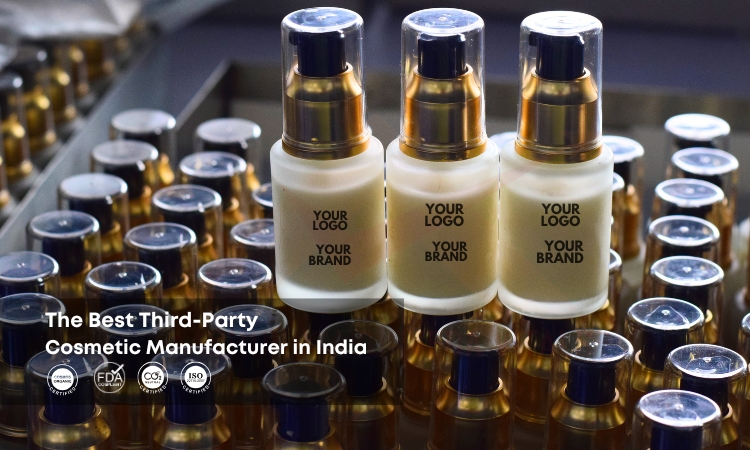
Visit their manufacturing unit if possible. Assess their cleanliness, storage systems, and formulation labs. Understand how they test product quality and stability. Reliable manufacturers maintain traceability records for every ingredient and follow strict hygiene and safety standards.
Modern skincare manufacturing facilities ensure GMP compliance, hygiene control, and consistent batch production
At Aadhunik Ayurveda, for example, each batch is produced under close supervision, with ingredient transparency and documentation ensuring complete quality assurance from sourcing to packaging.
Points:
- Evaluate in-house testing, research, and packaging departments.
- Ensure the facility meets safety and hygiene regulations.
- Look for flexible manufacturing volumes to suit your business stage.
Step 4: Review Formulation Expertise and Innovation Support
Formulation is the heart of skincare manufacturing. Your manufacturer should not only produce standard formulas but also support innovation. Look for a custom formulation manufacturer who understands new ingredient trends, such as plant-based actives, probiotics, ceramides, or Ayurvedic botanicals.
Custom skincare formulation services allow brands to create unique, high-performance products that stand out in competitive markets.

The ability to translate your concept into a stable, high-performance formula is what differentiates a great manufacturer from an average one. A partner like Aadhunik Ayurveda offers in-house R & D teams who develop unique formulations, from lightweight face oils to multi-functional serums, ensuring your brand stands out in the market.
Innovation-driven skincare manufacturers help brands stay ahead with trending ingredients and advanced formulations.
Points:
- Manufacturers must stay updated with global skincare ingredient trends.
- They should offer customization to match your brand’s story.
- Innovation-led partners help your brand remain relevant and competitive.
Step 5: Assess Ingredient Quality and Ethical Sourcing
Consumers now value transparency, sustainability, and clean ingredients. Your manufacturer should be aligned with this philosophy. Ethical sourcing, cruelty-free testing, and use of certified organic ingredients elevate your brand credibility.
Clean beauty and natural skincare formulations are now among the most searched trends globally.
A responsible manufacturer will disclose ingredient sources and testing processes. They will also ensure that each raw material complies with international cosmetic standards. Partnering with a natural skincare manufacturer ensures purity, safety, and eco-conscious production practices.
Ethical ingredient sourcing strengthens brand trust and improves long-term customer loyalty.
Points:
- Verify ingredient traceability and sustainability certifications.
- Ensure no harmful chemicals like parabens, SLS, or mineral oils.
- Manufacturers who prioritize ethical sourcing strengthen brand reputation.
Step 6: Understand the Packaging and Labeling Support
Packaging plays a vital role in brand presentation. Apart from aesthetics, it ensures product safety, shelf life, and user convenience. Manufacturers with in-house packaging solutions provide an added advantage, they help you design labels, select eco-friendly containers, and comply with labeling regulations.
Sustainable packaging in skincare is becoming a key differentiator for modern beauty brands.
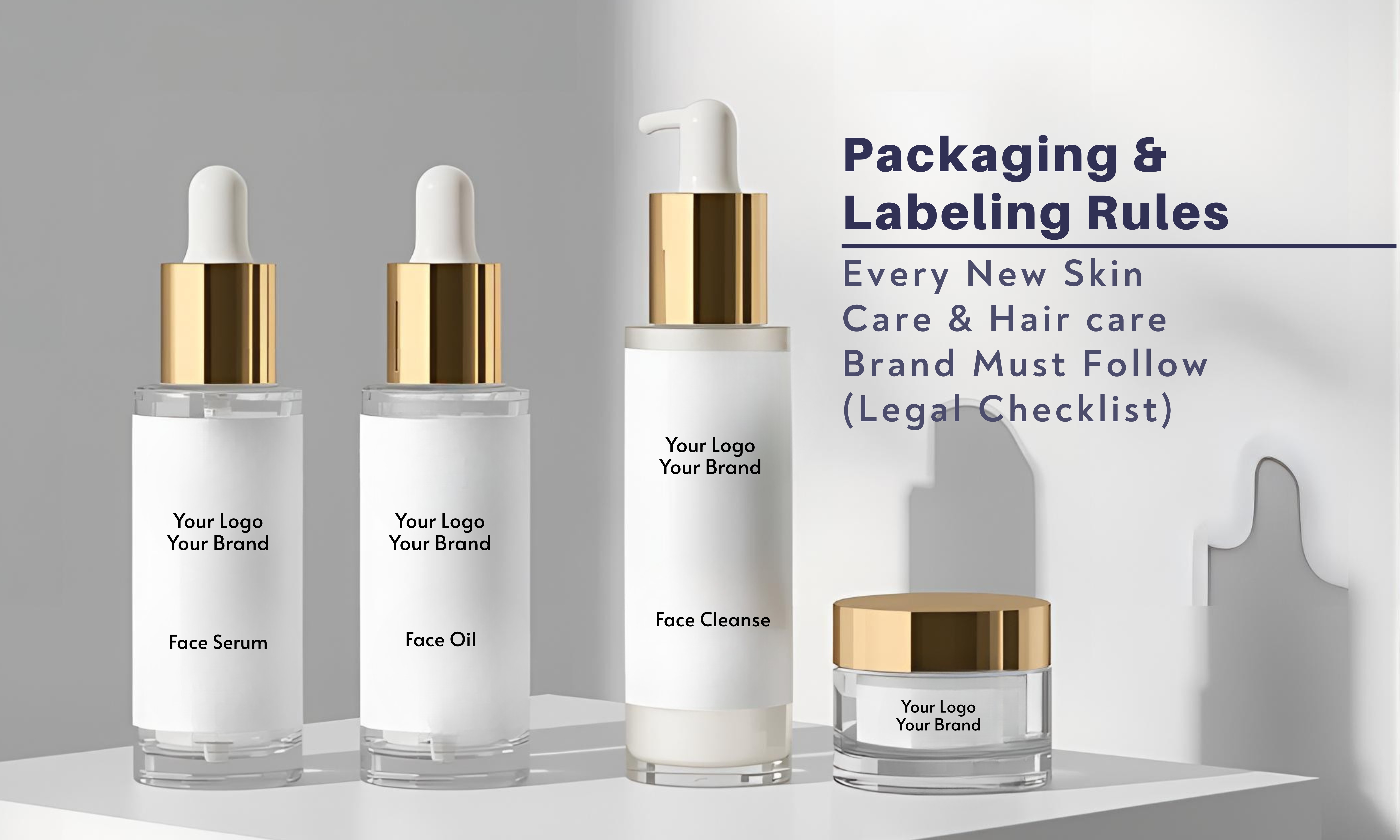
At Aadhunik Ayurveda, sustainable packaging options like glass, recycled PET, and biodegradable materials are encouraged. The team also assists brands in creating FDA-compliant and visually appealing designs that match the brand’s identity.
Eco-friendly skincare packaging enhances brand value and attracts conscious consumers.
Points:
- Check if the manufacturer offers eco-friendly and sustainable packaging.
- Ensure they guide you with compliant labeling details.
- A cohesive packaging design boosts customer confidence.
Step 7: Check Compliance, Certifications, and Legal Documentation
Skincare products require compliance with national and international cosmetic regulations. A certified manufacturer ensures your products meet all legal standards, from labeling to ingredient safety.
Working with a GMP certified skincare manufacturer ensures product safety, hygiene, and regulatory compliance.

Manufacturers must follow GMP (Good Manufacturing Practices) and hold necessary certifications like ISO and USDA Organic. They should also help you understand documentation such as product stability reports, MSDS (Material Safety Data Sheets), and safety testing results.
Certified organic skincare production helps brands enter global markets with ease.
Points:
- Compliance ensures consumer safety and avoids legal risks.
- Certified manufacturers enhance your brand’s market credibility.
- Always verify the authenticity of provided certificates.
Step 8: Discuss Pricing, MOQ, and Flexibility
Pricing determines your profit margins, while Minimum Order Quantity (MOQ) affects your inventory and investment. Choose a manufacturer who offers fair pricing and flexibility for small or medium orders, especially if you are just starting out.
The best skincare manufacturer for startups offers flexible MOQ and cost-effective production solutions.

Transparent manufacturers explain cost breakdowns, including raw material, packaging, and formulation fees. They also support gradual scaling as your brand grows. Aadhunik Ayurveda, for instance, caters to both startup brands and established labels, offering flexible MOQs and complete end-to-end assistance.
Points:
- Understand cost per unit and minimum order requirements.
- Choose partners who balance affordability with quality.
- Flexibility allows smooth business expansion.
Step 9: Request Samples and Test the Product
Before mass production, request samples to test performance, texture, fragrance, and stability. Samples help ensure that formulations meet your expectations. Conduct small market trials and gather customer feedback before placing large orders.
Product sampling is a crucial step in private label skincare manufacturing to ensure quality and consistency.

A good manufacturer encourages testing and revisions until the final formula perfectly matches your vision. They remain transparent about changes and costs during this phase.
Points:
- Product sampling ensures consistency and satisfaction.
- Always test formulas for compatibility with your brand’s promise.
- Revisions before production prevent costly mistakes later.
Step 10: Establish a Long-Term Partnership
A skincare brand’s success depends on consistency, innovation, and reliability. Once you finalize a manufacturer, nurture a long-term relationship built on trust and open communication. Regular collaboration allows you to introduce new products, improve existing ones, and respond to market trends quickly.
A strong skincare manufacturing partner helps brands scale faster and maintain consistent product quality over time.
At Aadhunik Ayurveda, partnerships are built for growth. From concept to final packaging, every stage is guided by expertise and transparency, ensuring each brand thrives in a competitive industry.
Points:
- Long-term collaboration enables continuous innovation.
- Consistency in production strengthens brand reliability.
- Open communication promotes smooth scaling and timely launches.
Conclusion
Choosing the right skincare manufacturer isn’t just a business decision, it’s a partnership that defines your brand’s future. From ethical ingredient sourcing to regulatory compliance and creative innovation, every factor contributes to how your brand will be perceived in the market.
Partnering with the best private label skincare manufacturer ensures long-term growth, brand trust, and global market success.
A partner like Aadhunik Ayurveda, known for its authenticity and innovation in natural skincare manufacturing, ensures that your brand doesn’t just create products, it creates trust. By following these steps, you can confidently select a manufacturer who understands your goals, maintains transparency, and helps you deliver exceptional skincare products that resonate with your audience.
FAQs:
Why is choosing the right skincare manufacturer important?
Because your manufacturer determines product quality, safety, and brand reputation. The right partner ensures compliance, transparency, and consistent production standards.
What is the difference between private label and third-party skincare manufacturing?
Private label manufacturing offers ready-made formulations that can be rebranded, while third-party manufacturing creates fully customized formulas based on your brand’s concept
How can I check if a skincare manufacturer is certified?
Ask for ISO, GMP, and organic certifications. You can also verify them online or through official certification bodies.
What should I consider before signing a manufacturing contract?
Review pricing, MOQ, formulation ownership, and timelines. Ensure all agreements are documented clearly to avoid disputes later.
How does Aadhunik Ayurveda help skincare startups?
Aadhunik Ayurveda provides complete support, from custom formulation to packaging, documentation, and scaling, helping startups create premium skincare products with minimal hassle.
Can small brands work with large manufacturers?
Yes, if the manufacturer offers flexible MOQs and supports small-batch production. Many quality manufacturers now partner with emerging brands to nurture innovation.
How do I choose the best skincare manufacturer for startups in 2026?
Look for a manufacturer offering low MOQ, custom skincare formulation, GMP certification, and complete private label support to ensure smooth brand launch and scalability.
What are the benefits of working with a third-party skincare manufacturer in India?
Third-party skincare manufacturers in India offer cost-effective production, access to high-quality raw materials, certified organic skincare production, and scalable manufacturing solutions for global brands.