
Ingredients Frequently Used in Body Lotions: A Private Label Manufacturer’s Perspective on Natural & Effective Formulations
The Role of Ingredients in Body Lotions | Ingredient Spotlight: Frequently Used Ingredients in Body Lotions Butyrospermum Parkii (Shea Butter) | Aloe Barbadensis (Aloe) Leaf Juice | Helianthus Annuus (Sunflower) Seed Oil | Camellia Sinensis (Green Tea) Leaf Extract | | ConclusionBody lotions are one of the most widely used skincare essentials, forming a daily ritual for hydration, nourishment, and overall skin health. With rising concerns about pollution, climate impact, and lifestyle-induced skin damage, consumers are now more conscious than ever about what goes into their skincare. Instead of settling for generic formulations, today’s buyers demand lotions that combine hydration with skin barrier repair, antioxidant protection, and long-lasting softness.
This growing awareness has increased the demand for natural body lotions and clean label skincare products that deliver both safety and performance.
As a private label manufacturer, we understand that ingredient selection is the backbone of any successful body lotion. Every ingredient not only serves a functional purpose but also determines how appealing the final product will be to modern consumers who seek plant-based, cruelty-free, and eco-friendly alternatives. This is why our focus is always on high-performing natural extracts and oils that deliver tangible results without the downsides of synthetic fillers.
This approach supports brands looking for private label body lotion manufacturing_ and _custom skincare formulation services_ to build unique product lines.

The Role of Ingredients in Body Lotions
A well-formulated body lotion is never a random mix—it is a thoughtful balance of emollients, humectants, and antioxidants. Emollients like butters and oils soften the skin, humectants draw in moisture, and antioxidants protect against free radical damage. Together, they create a lotion that not only moisturizes instantly but also works on long-term skin health.
This is essential for creating high-performance moisturizing body lotions that provide both instant and lasting hydration.
For manufacturers, this balance is crucial because consumers often judge lotions on their texture, absorption rate, and how long hydration lasts. A lotion that feels greasy, leaves residue, or dries out too quickly is unlikely to succeed in the market. Thus, ingredient choice defines both consumer experience and brand credibility.
These factors directly influence the success of best body lotion formulations for dry skin and everyday skincare use.
Another important shift is the growing preference for natural alternatives over synthetic ones. Where petroleum jelly or mineral oils were once considered standard emollients, brands now prefer Shea Butter or Avocado Oil as they offer better nourishment while being more aligned with clean beauty values. For manufacturers, this means focusing on sustainable sourcing and plant-based actives to meet the expectations of conscious consumers.
This transition reflects the rise of plant-based body care products and chemical-free skincare formulations.
Ingredient Spotlight: Frequently Used Ingredients in Body Lotions
Butyrospermum Parkii (Shea Butter)
Shea butter is a staple in body lotion formulations because of its deeply moisturizing and skin-softening properties. Rich in vitamins A and E, it not only hydrates but also supports skin elasticity and healing. Brands prefer it because it is a natural, plant-based emollient that outperforms synthetic occlusives like paraffin. From a manufacturer’s perspective, Shea Butter is versatile, it blends well with other oils, enhances lotion creaminess, and improves consumer perception of natural luxury.
It is widely used in deep moisturizing body lotion formulations and searched for its shea butter skincare benefits.
Aloe Barbadensis (Aloe) Leaf Juice
Aloe vera is globally recognized for its soothing and hydrating benefits. It is especially valuable in formulations aimed at sensitive, irritated, or sun-exposed skin. Unlike synthetic humectants, Aloe provides hydration while also delivering amino acids, vitamins, and minerals. For manufacturers, Aloe is a reliable ingredient because it works across all skin types and helps position the product as gentle, refreshing, and naturally healing.
This makes it essential for soothing body lotions for sensitive skin and aloe vera skincare products.
Helianthus Annuus (Sunflower) Seed Oil
Sunflower seed oil is lightweight yet nourishing, rich in linoleic acid and vitamin E. It helps restore the skin barrier and lock in moisture without making lotions feel heavy. Brands love it as a cost-effective yet natural replacement for synthetic emollients. From a manufacturing standpoint, Sunflower Oil ensures stability, smooth texture, and fast absorption, making it ideal for daily-use lotions.
It is commonly found in lightweight moisturizing body lotions and valued for sunflower oil benefits for skin.
Camellia Sinensis (Green Tea) Leaf Extract
Green tea extract is more than just a trend, it is a powerhouse antioxidant that protects against free radical damage and premature aging. Including it in lotions gives brands a differentiation edge, appealing to consumers seeking multi-functional skincare. For manufacturers, green tea extract adds value by allowing body lotions to be marketed not only as moisturizers but also as skin protectors and rejuvenators.
It plays a key role in antioxidant body lotion formulations and anti-aging skincare products.
Persea Gratissima (Avocado) Oil
Avocado oil is rich in essential fatty acids, making it highly effective for dry and mature skin. Unlike synthetic silicones, which only coat the skin’s surface, avocado oil penetrates deeply, nourishing and improving skin elasticity. Manufacturers prefer it because it enhances lotion richness without leaving greasiness and positions the product as luxurious and nutrient-dense.
It is widely used in nourishing body lotions for dry skin and avocado oil skincare formulations.
Natural Alternatives vs Synthetic Ingredients
One of the biggest shifts in skincare manufacturing is the replacement of synthetic fillers with natural, high-performance alternatives. Consumers today are wary of petroleum jelly, mineral oil, and silicones, as they often sit on the skin’s surface without offering true nourishment. Instead, plant-based options like Shea Butter, Aloe, and Avocado Oil not only hydrate but also bring added nutrients.
This shift is driving the popularity of natural skincare ingredient alternatives and clean beauty body care products.
Here’s a quick comparison:
| Synthetic Ingredient | Natural Alternative | Why Natural is Better |
|---|---|---|
| Petroleum Jelly | Shea Butter | Provides deeper nourishment + vitamins |
| Mineral Oil | Sunflower Seed Oil | Lightweight, non-comedogenic, rich in vitamin E |
| Silicones | Avocado Oil | Enhances skin elasticity, penetrates deeply |
From a manufacturer’s perspective, natural alternatives not only improve product performance but also strengthen a brand’s clean beauty positioning, making the product more appealing to eco-conscious buyers.
This helps brands grow in the eco-friendly skincare market and build strong consumer trust.
Why Brands Choose Private Label Manufacturers for Body Lotions
Brands increasingly rely on private label manufacturers because of our ability to deliver clean, effective, and market-ready products without the hassle of in-house formulation and testing.
This is why many businesses look for best private label body lotion manufacturers to scale efficiently.
As a manufacturer, we ensure:
- Expertise in clean beauty formulations – paraben-free, silicone-free, cruelty-free, and made with natural actives.
- Custom solutions – whether a brand wants ultra-hydrating lotions, anti-aging blends, or soothing formulations for sensitive skin.
- Scalable production – from small-batch for startups to large-scale for established brands.
- Compliance & safety – all formulations meet regulatory standards and are tested for stability and skin safety.
This gives brands the freedom to focus on marketing and customer engagement while we handle the technical, formulation, and production aspects.
It also supports faster skincare brand development and product launch in competitive markets.
Our Private Label Body Lotion Range
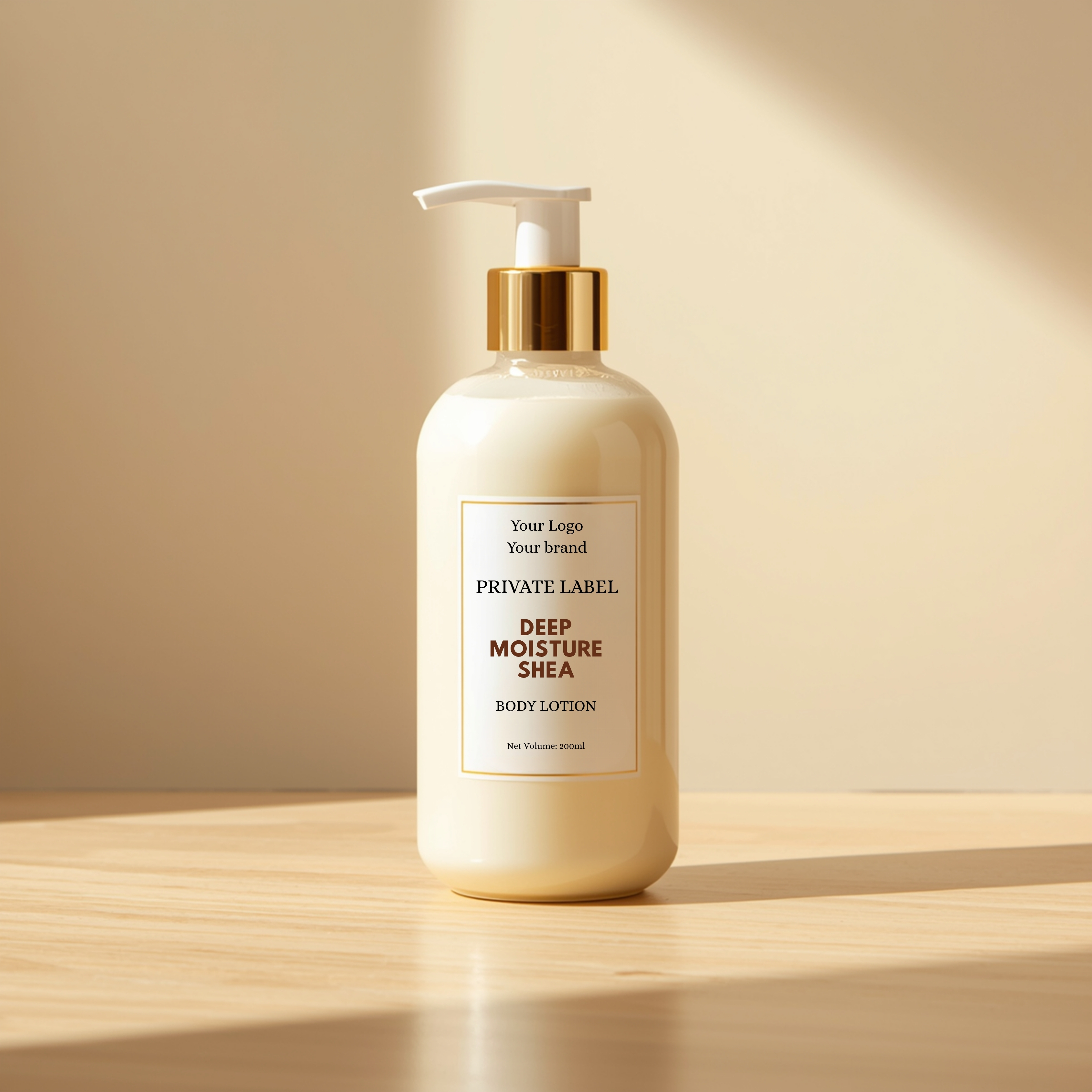
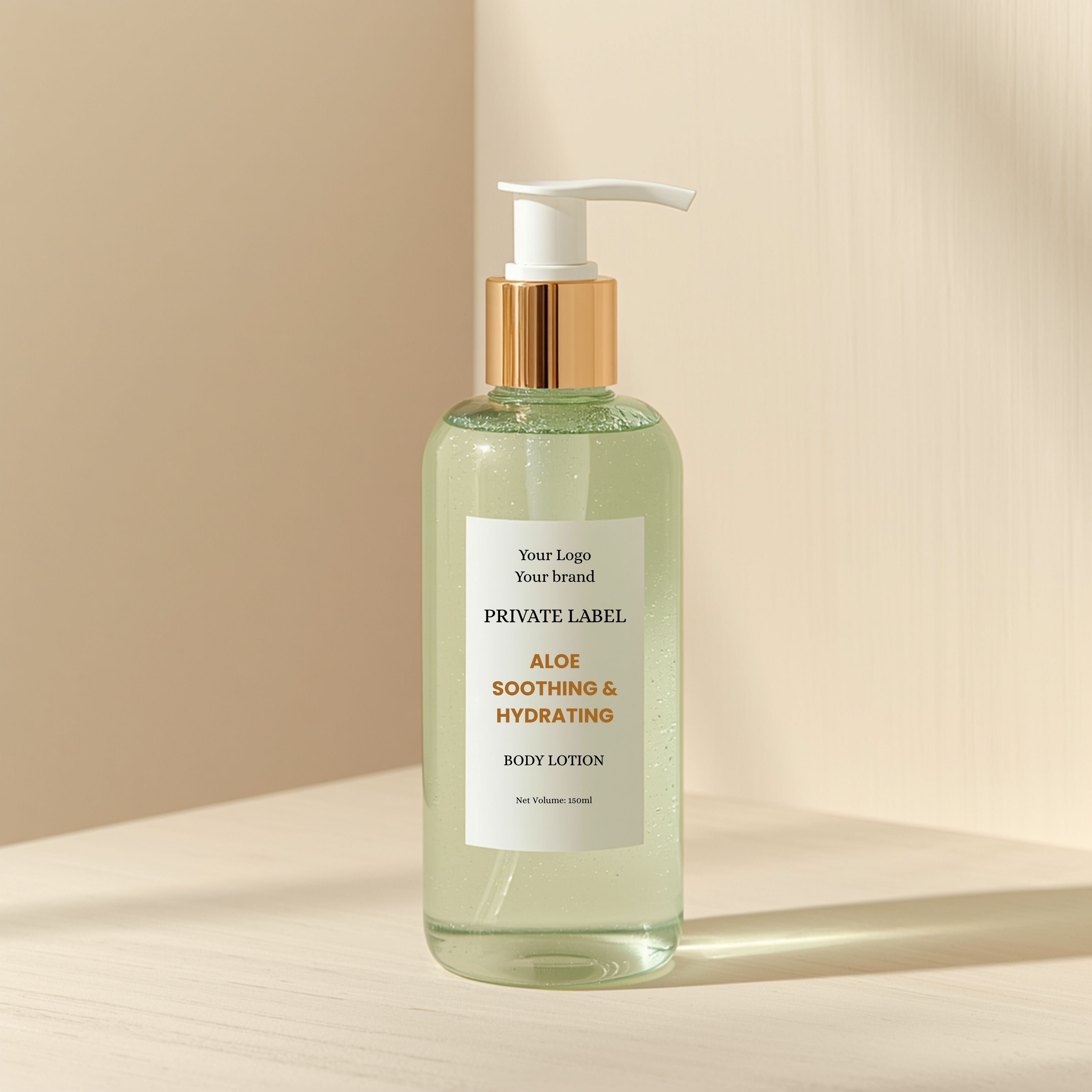
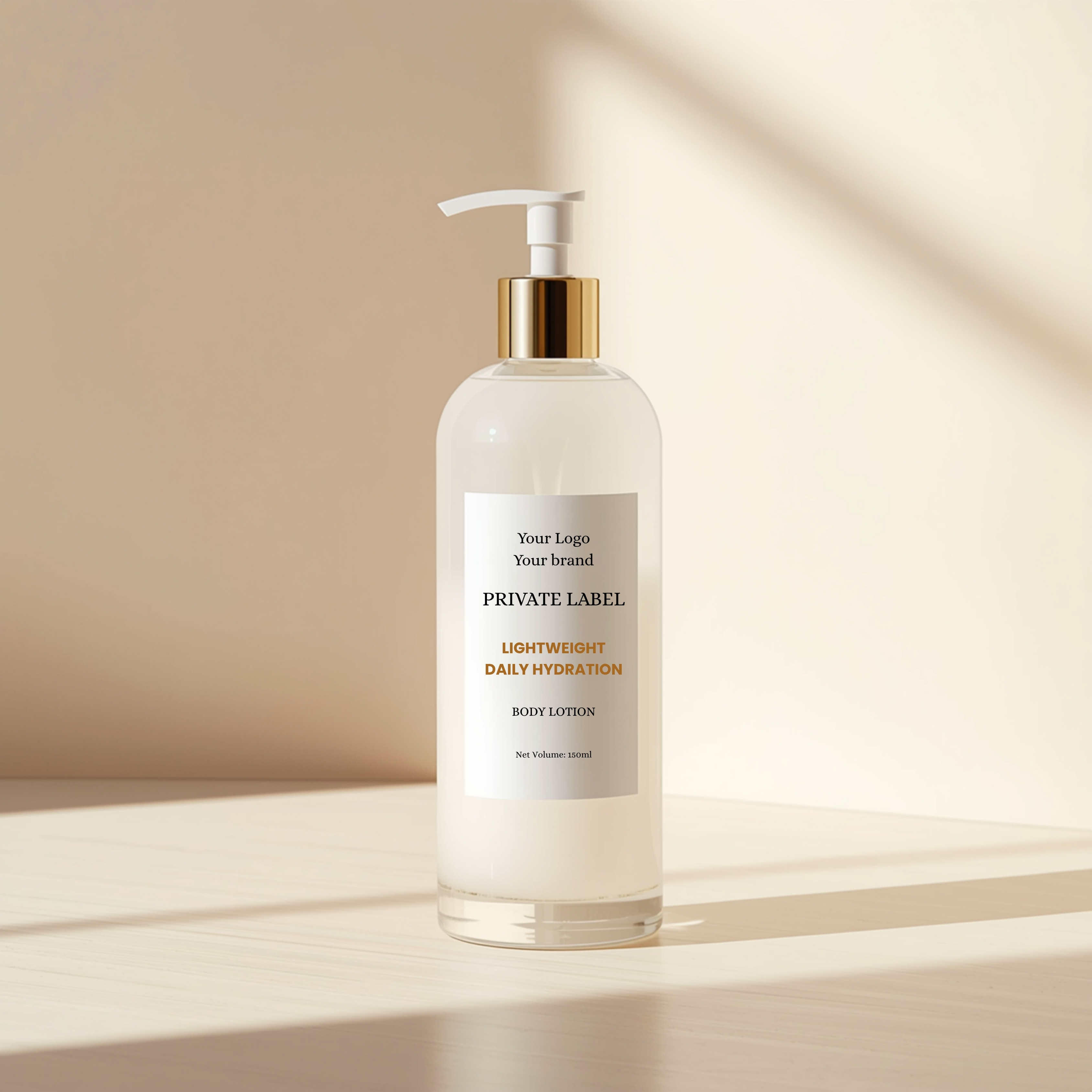
As a private label manufacturer, we don’t just formulate, we create market-ready body lotion products tailored to different consumer needs and trends. Our diverse product range helps brands target multiple skincare concerns while maintaining clean beauty standards.
Here are some of our most in-demand private label body lotion formulations:
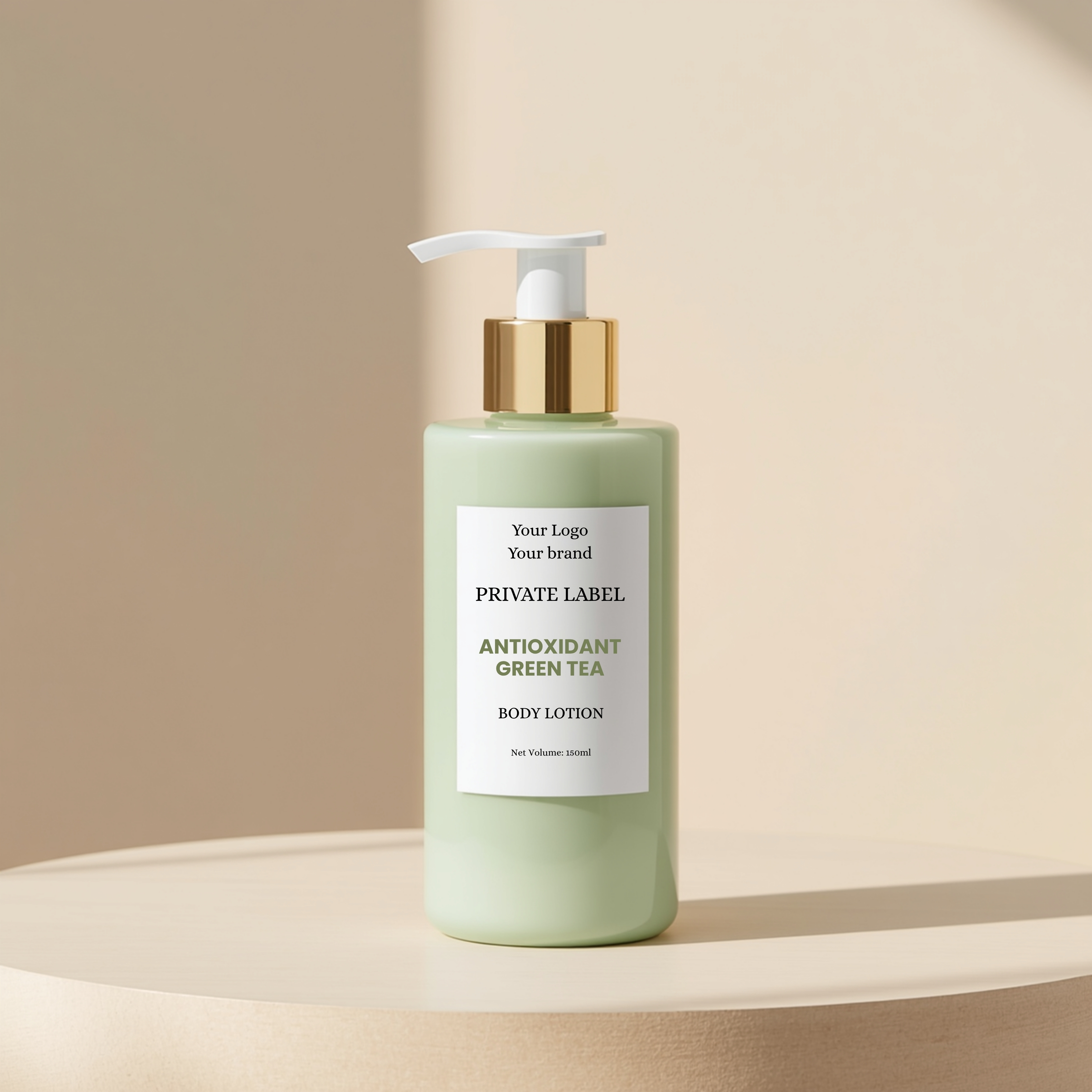
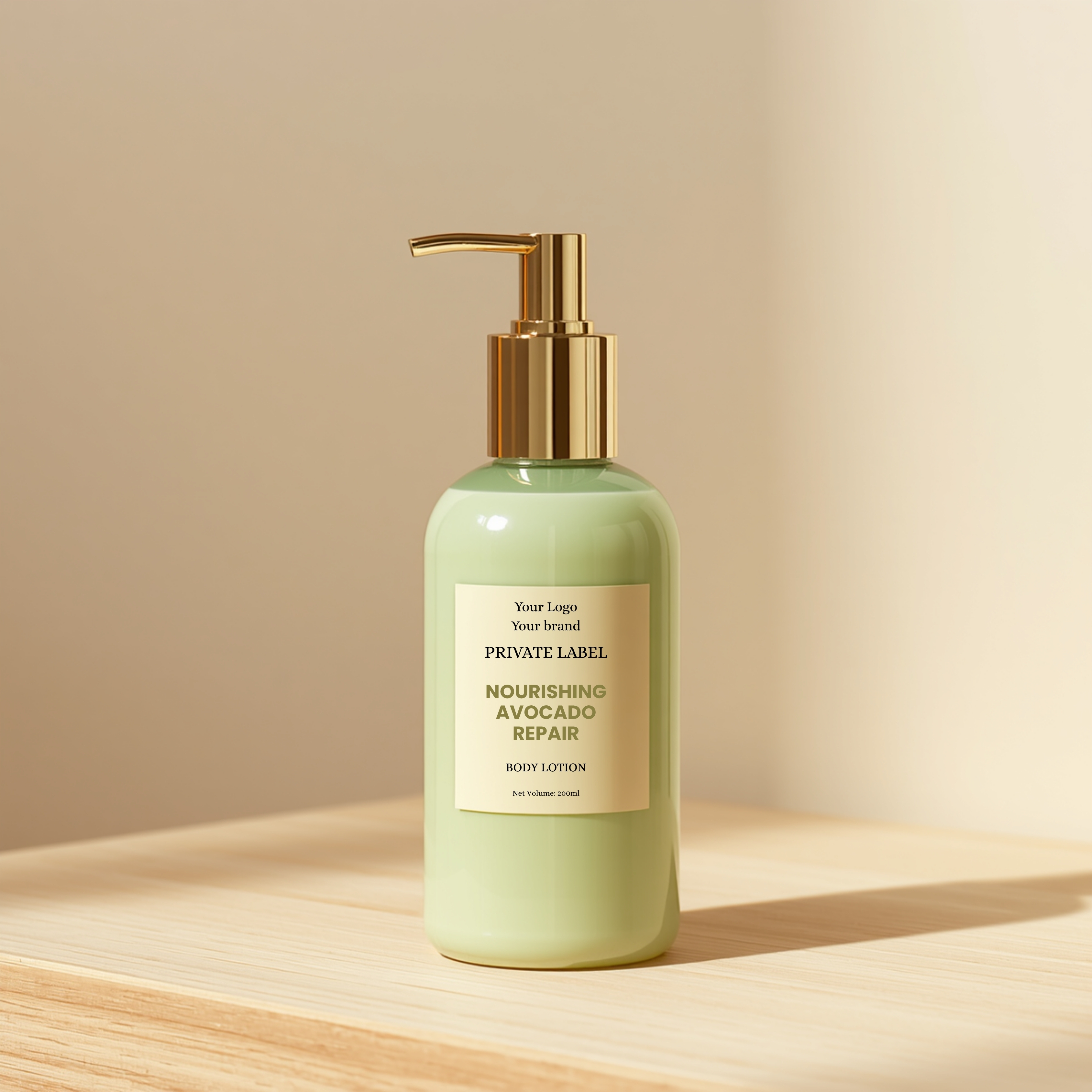
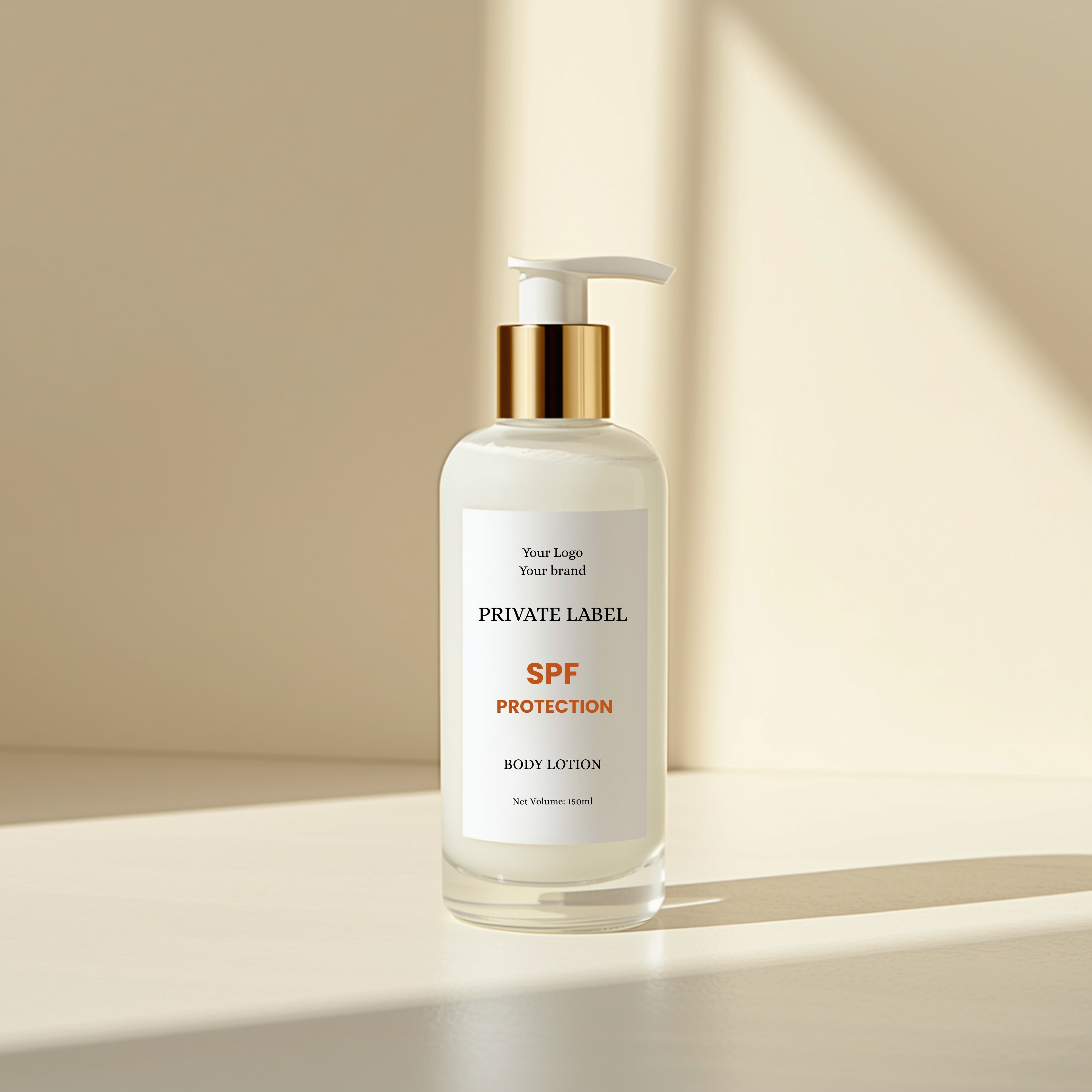

Future Trends in Body Lotion Ingredients
The future of body lotions lies in multi-functionality and innovation. Consumers no longer want just hydration—they look for added benefits like UV protection, skin barrier repair, and anti-pollution defense.
These expectations are shaping advanced body lotion formulations and multi-functional skincare products.
Some rising trends include:
Manufacturers who adapt to these trends will help brands stay competitive in a rapidly evolving skincare market.
This ensures success in the growing global body care market trends landscape.
Conclusion
In today’s skincare world, ingredients are everything. The choice between synthetic and natural not only impacts product performance but also defines how consumers perceive a brand. With ingredients like Shea Butter, Aloe, Sunflower Oil, Green Tea Extract, and Avocado Oil, manufacturers can create authentic, effective, and eco-conscious body lotions that resonate with modern buyers.
This is why natural body lotion brands are gaining strong consumer preference worldwide.
As a private label manufacturer, our role is to help brands transform these natural ingredients into scalable, compliant, and market-ready products that stand out. By choosing plant-based alternatives and forward-thinking formulations, brands can meet consumer expectations while building trust and long-term success.
FAQs:
Why are natural butters like Shea better than synthetic emollients?
Natural butters provide hydration along with vitamins and fatty acids, while synthetic emollients only coat the skin.
Can body lotion formulations be customized for different skin types?
Yes, formulations can be designed for dry, oily, sensitive, or mature skin with ingredient adjustments.
Do you offer vegan and cruelty-free lotion options?
Absolutely. We specialize in formulations that are vegan, cruelty-free, and aligned with clean beauty standards.
How do manufacturers ensure ingredient safety and stability?
Every formulation undergoes rigorous stability testing, pH checks, and dermatological safety evaluations.
What certifications are important for body lotion ingredients?
Certifications like USDA Organic, COSMOS, Ecocert, and cruelty-free ensure credibility and market acceptance.
Can small skincare startups launch their private label lotions with you?
Yes, we support both startups and established brands with flexible batch sizes and scalable production.
What are the benefits of choosing private label body lotion manufacturing?
Private label services help brands create custom body lotion formulations with faster turnaround, lower investment, and access to expert-driven skincare product development solutions.
Are natural body lotions suitable for all skin types?
Yes, natural body lotions for all skin types are formulated using gentle, plant-based ingredients that suit sensitive, dry, oily, and combination skin without harmful side effects.